
Views: 0 Author: Site Editor Publish Time: 2026-07-30 Origin: Site


TL;DR
Upgrading to alloy wheels for your car is one of the most effective ways to enhance handling, acceleration, and overall driving dynamics. For those seeking the ultimate in performance, lightweight alloy wheels reduce unsprung mass for sharper response and better fuel efficiency. At the top of the hierarchy, forged alloy wheels deliver unmatched strength and durability through a high-pressure manufacturing process that aligns the metal's grain structure, making them the preferred choice for enthusiasts and track-driven vehicles alike. HC Wheels specializes in original designs that combine these performance benefits with distinctive styling for off-road and everyday use.

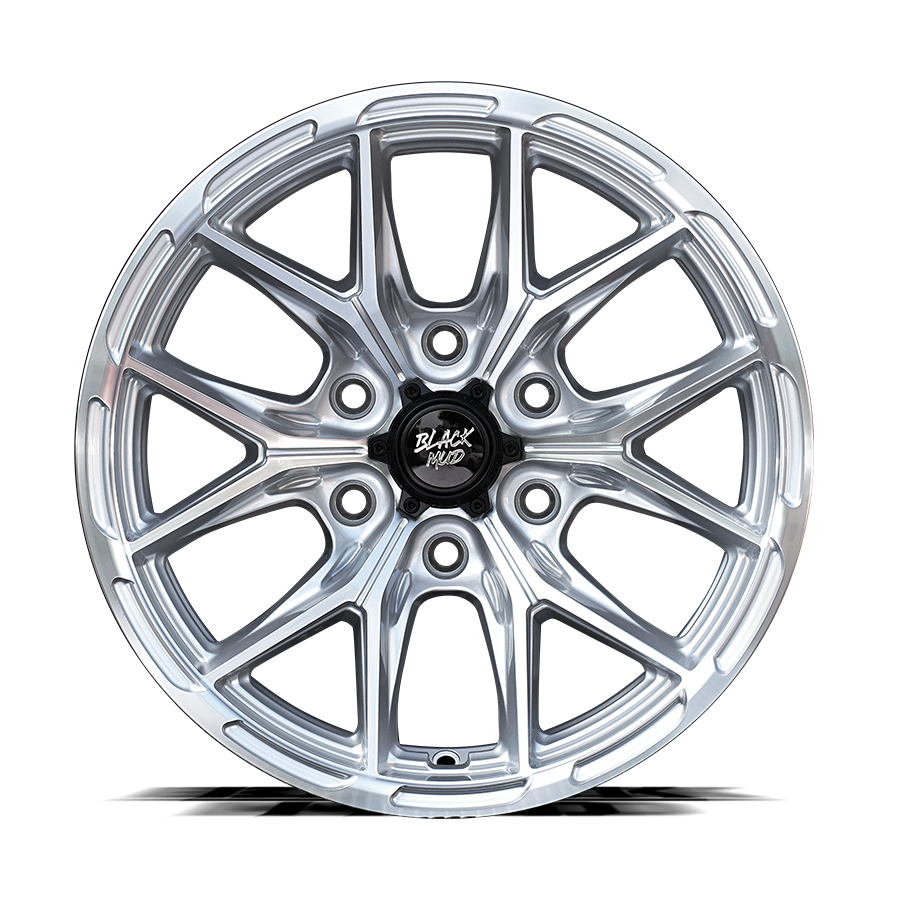
The decision to switch to alloy wheels for car is driven by a combination of performance and aesthetic benefits. Compared to traditional steel wheels, aluminum alloy wheels for car offer significant advantages across multiple dimensions.
Alloy wheels for car are made by combining aluminum with other metals to create a material that is both strong and lightweight. This lighter construction reduces unsprung mass—the weight not supported by the vehicle's suspension—which translates to improved acceleration, more responsive braking, and sharper handling characteristics. Additionally, alloy wheels for car dissipate heat more effectively than steel wheels, helping to prevent brake fade during extended or spirited driving.
Beyond performance, alloy wheels for car dramatically improve visual appeal. Available in a vast array of designs, finishes, and sizes, they allow drivers to customize their vehicle's appearance to match their personal style. Whether you prefer a sleek multi-spoke design or a bold, aggressive look, there are alloy wheels for car options to suit every taste.
While all alloy wheels are lighter than steel, lightweight alloy wheels take this benefit to the next level. The reduction in weight is not merely a number on a spec sheet—it fundamentally changes how a vehicle behaves on the road.
The benefits of lightweight alloy wheels include improved fuel efficiency, as lighter wheels reduce the rotational inertia that the engine must overcome, potentially improving fuel economy compared to heavier alternatives. Sharper handling and ride quality result from reduced unsprung mass, allowing the suspension to respond more quickly to road imperfections and keeping the tire in better contact with the road surface.
Better braking performance is another key advantage, as less rotating mass means shorter stopping distances with less momentum to overcome during braking. Quicker acceleration also follows, as the reduced inertia allows the wheels to spin up more rapidly, translating to more responsive throttle response.
Lightweight wheels are especially valuable for performance-oriented drivers and those who frequently navigate twisty roads or demanding conditions. They also help maintain cooler operating temperatures for the wheels and associated brake components.

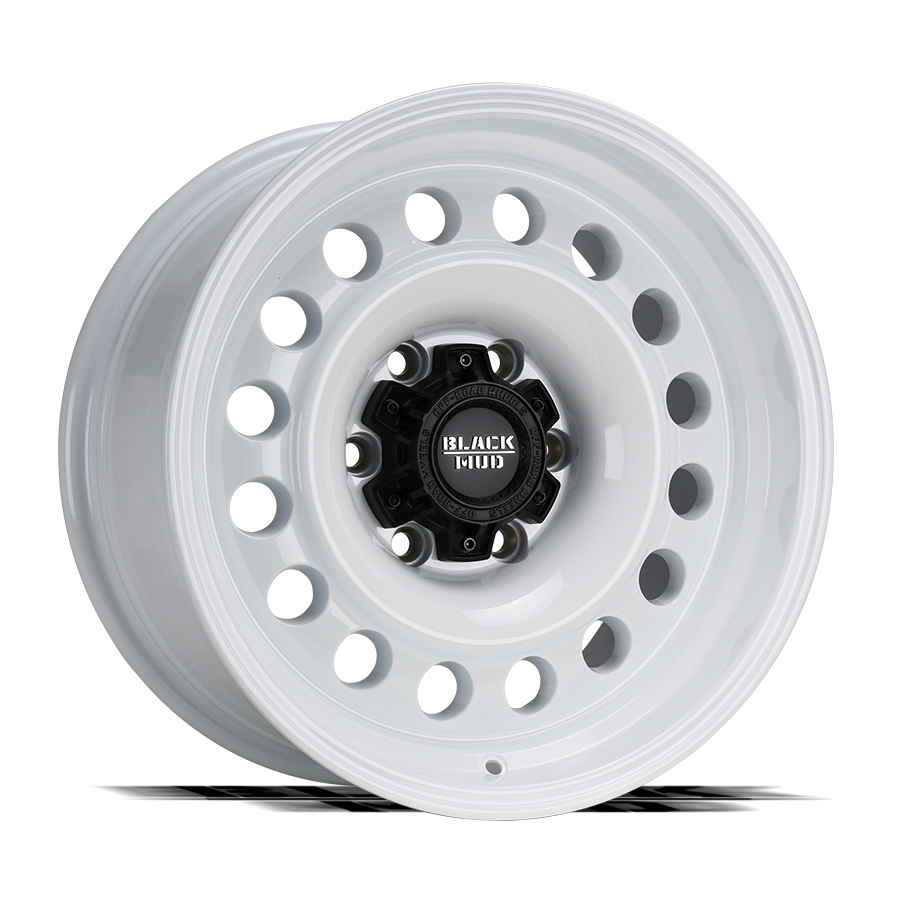
Among all wheel types, forged alloy wheels represent the pinnacle of engineering and performance. The forging process sets them apart from standard cast wheels in ways that directly benefit driving dynamics and durability.
To understand why forged alloy wheels are superior, it helps to look at how they are made. The process begins with a high-quality aluminum billet, most commonly aerospace-grade 6061-T6, which is heated until pliable and then subjected to immense pressure, sometimes up to 10,000 tons, in a forging press. This compressive force aligns the metal's internal grain structure, resulting in a wheel that is significantly denser, stronger, and more impact-resistant than cast alternatives.
The key advantages of forged alloy wheels include an exceptional strength-to-weight ratio, with forged wheels able to be up to 25% lighter than comparable cast wheels while being three times stronger. Durability and impact resistance are superior due to the aligned grain structure, making forged wheels more resistant to cracks and failures under high-stress conditions.
Design flexibility is another benefit, as the superior strength of forged materials allows for more intricate spoke designs and thinner profiles that would not be safely possible with cast wheels. The performance benefits are substantial, with the combination of reduced weight and increased strength delivering sharper handling, better steering feel, and improved overall vehicle responsiveness.
| Aspect | Cast Alloy Wheels | Flow-Formed Alloy Wheels | Forged Alloy Wheels |
|---|---|---|---|
| Manufacturing Process | Molten aluminum poured into a mold | Cast then spun under pressure to compress the rim | Solid billet compressed under high pressure |
| Strength | Good for daily driving | Better than cast | Strongest; up to 3x stronger than cast |
| Weight | Heaviest of the three | Lighter than cast | Lightest; up to 25% lighter than cast |
| Cost | Most affordable | Mid-range | Most expensive |
| Best For | Daily drivers, budget-conscious buyers | Performance enthusiasts seeking value | Track use, high-performance vehicles, demanding conditions |
| Durability | Prone to bending on impact | Good balance of strength and flexibility | Excellent impact resistance and fatigue life |
Q1: Are lightweight alloy wheels worth the upgrade for my daily driver?
Yes, even for everyday driving. Lightweight alloy wheels can improve fuel efficiency, reduce braking distances, and provide a more comfortable ride by allowing the suspension to respond more effectively to road imperfections. The benefits are noticeable in city driving and highway cruising alike.
Q2: What is the main difference between forged and cast alloy wheels?
The primary difference lies in the manufacturing process. Forged alloy wheels are created by compressing a solid billet of aluminum under extreme pressure, aligning the metal's grain structure for maximum strength. Cast wheels are made by pouring molten aluminum into a mold, which results in a random grain structure that is less strong and more prone to impact damage.
Q3: How do I know if a set of wheels is truly lightweight?
Look for wheels that explicitly specify their weight per wheel, typically in pounds or kilograms. Manufacturers like HC Wheels and others in the performance wheel industry often provide detailed weight specifications. Additionally, wheels labeled as "flow-formed" or "forged" are generally lighter than traditional cast wheels. As a rule of thumb, each pound of unsprung weight saved (wheel and tire) is roughly equivalent to saving several pounds of sprung weight in terms of performance feel.
Q4: Are forged wheels only for track or racing use?
While forged alloy wheels are indeed popular in motorsports, they also offer significant benefits for street-driven vehicles. Their superior strength and impact resistance make them more durable on pothole-ridden roads, while their lighter weight improves daily drivability and fuel efficiency. Many enthusiasts choose forged wheels for the peace of mind and performance they provide in all driving conditions.
Q5: How does wheel weight affect vehicle performance?
Wheel weight directly impacts a vehicle's unsprung mass and rotational inertia. Reducing weight through lightweight alloy wheels improves acceleration, braking, and handling because there is less mass for the suspension to control and less rotational force for the engine to overcome. This is why performance-oriented drivers and manufacturers prioritize lightweight wheel designs.
Selecting alloy wheels for your car is a decision that balances aesthetics, performance, and safety. For those who prioritize the highest level of driving dynamics, lightweight alloy wheels offer significant handling and efficiency benefits. At the premium end, forged alloy wheels deliver unmatched strength and durability, making them the ultimate choice for enthusiasts and demanding driving conditions.
By choosing a manufacturer like HC Wheels, which specializes in original designs for off-road and performance vehicles, you gain the assurance of a product engineered for safety and performance. Whether you are drawn to the robust and aggressive styling of the BEAST series or the classic, durable design of the BLACK MUD line, prioritizing quality craftsmanship ensures that your new wheels will not only look great but also withstand the demands of the road or trail.


