
Views: 0 Author: Site Editor Publish Time: 2026-09-20 Origin: Site


Off-road culture has fallen hard for the rugged, aggressive look of beadlock wheels. Scroll through any 4x4 forum or trail meetup photo dump and you'll spot them everywhere — bolted rings, chunky spokes, that unmistakable "built, not bought" stance. But beneath the aesthetic appeal sits a serious engineering question: what actually keeps a beadlock wheel safe under real trail stress?
This matters more than most buyers realize. A beadlock ring that isn't torqued correctly, cast from substandard alloy, or mismatched to its rim can fail exactly when you need it most — mid-crawl, mid-descent, or halfway through a river crossing. This post breaks down the safety standards that separate a dependable wheel from a liability, and what to look for before you commit to a new set.
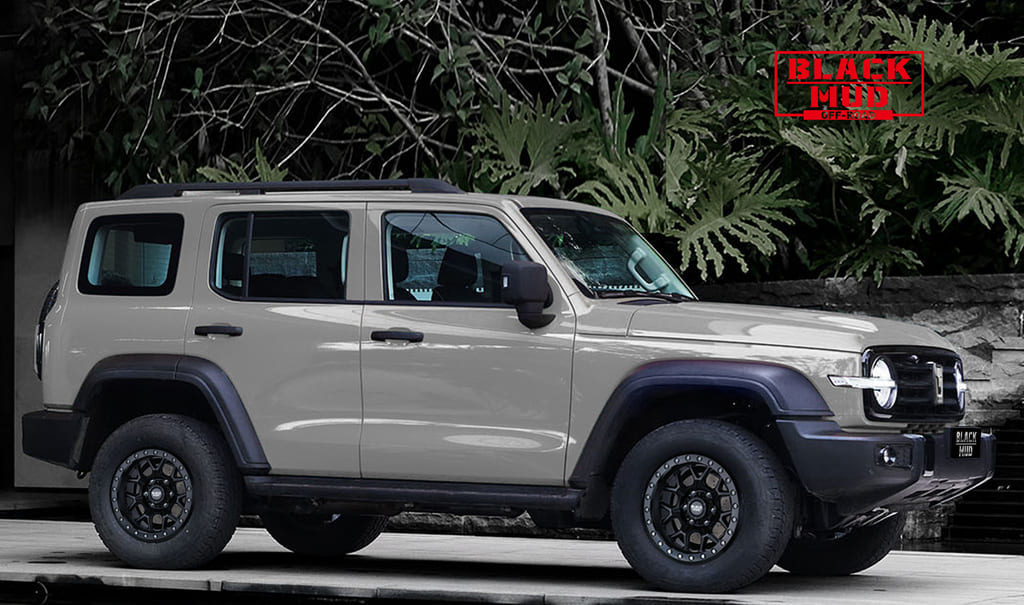
Standard wheels rely entirely on tire pressure to keep the bead seated against the rim. Drop that pressure too low for extra traction on sand or rock, and the tire can slip off the bead entirely — a scenario every serious off-roader has either experienced or heard a horror story about.
Beadlocks solve this by mechanically clamping the tire bead in place with a bolted ring, independent of air pressure. That means drivers can air down aggressively for soft terrain without risking a de-beaded tire. It's a simple concept, but the execution demands precision, which is exactly where safety standards come into play.
Not every wheel marketed with a beadlock ring is built the same way. Some are purely cosmetic — a ring bolted on for looks, with no functional clamping force. Genuine beadlocks need to meet a specific set of engineering benchmarks to perform safely under load.
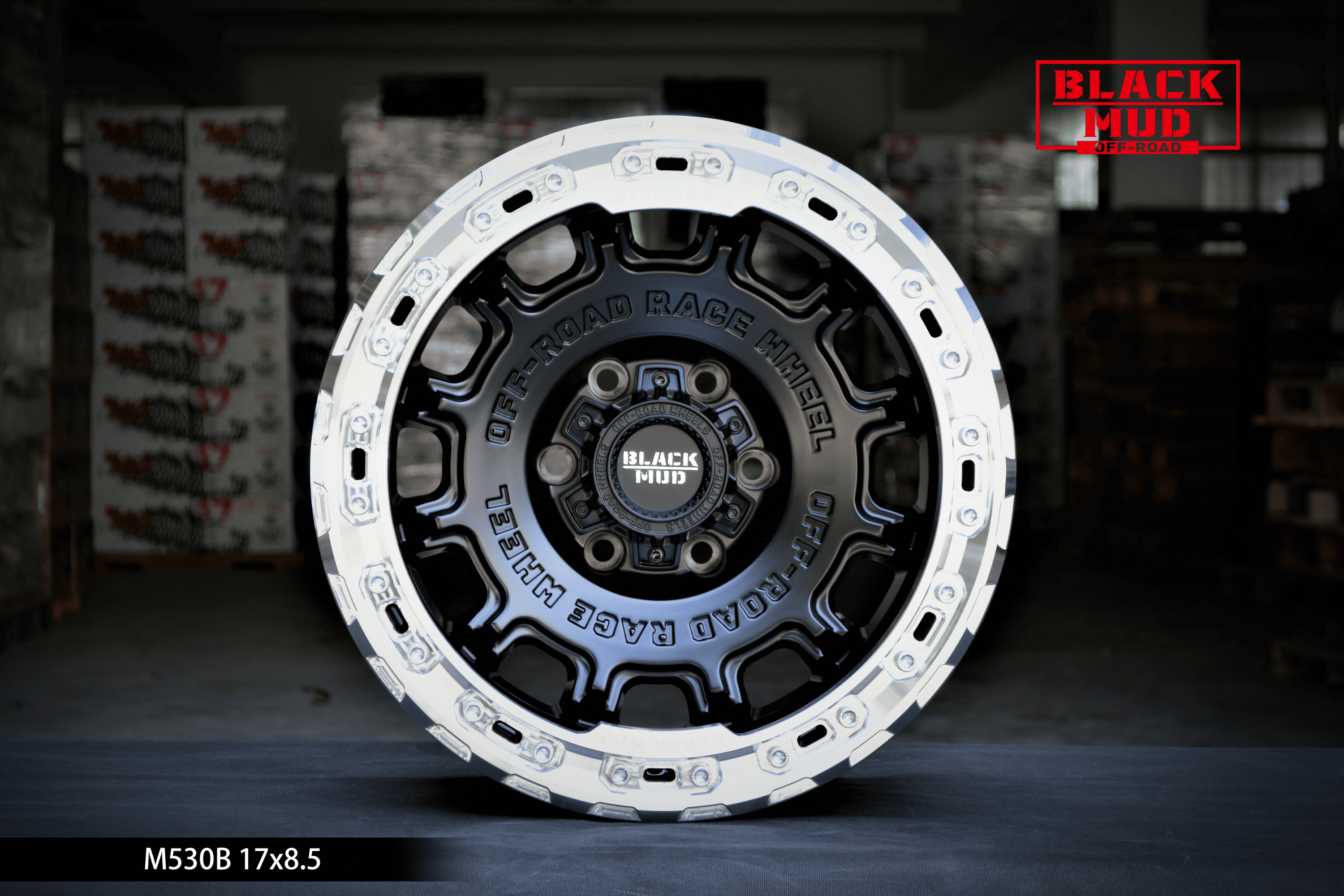
Every wheel should carry a documented load rating that reflects the weight of the vehicle, cargo, and typical off-road impact forces. Reputable manufacturers test wheels through load, impact, and fatigue cycles before they ever reach a customer. Skipping this step is how wheels crack under stress that a properly rated wheel would absorb without issue.

The bolts securing a beadlock ring need to be torqued to a manufacturer-specified value, and that value needs to be checked periodically, not just at installation. Uneven torque distribution is one of the most common causes of beadlock failure, since it creates weak points where the ring can flex or separate from the rim.
Aluminum alloy composition varies significantly between manufacturers. Lower-grade alloys may look identical to premium ones but fatigue faster under repeated impact, particularly in freeze-thaw climates or high-heat desert conditions. Fatigue testing — repeatedly stressing a wheel to simulate years of trail use — is the only reliable way to confirm a wheel will hold up long-term.
Here's a quick reference for the standards worth confirming before purchase:
Safety Factor | What to Check | Why It Matters |
|---|---|---|
Load Capacity | Documented rating matching vehicle weight | Prevents structural failure under heavy loads |
Bolt Torque Spec | Manufacturer-provided torque value | Keeps the ring seated evenly under stress |
Material Grade | Alloy type and certification testing | Determines fatigue and impact resistance |
Fit Compatibility | Bolt pattern and offset match | Avoids stress on hubs, bearings, and suspension |
Testing Documentation | Load, impact, and fatigue test records | Confirms real-world durability claims |
Buying based on looks alone is one of the fastest ways to end up with an underperforming wheel. When evaluating beadlock rims, ask the manufacturer directly about their testing process. Companies that stand behind their engineering will have load, impact, and fatigue data readily available, not vague marketing language.


HC Wheels, based in Guangdong and operating for over two decades, builds its off-road lines — including BLACK MUD, MAT RACE WHEEL, AGILITY FORCE and BEAST — around this exact principle. Every wheel is an original, in-house design, certified through strict load, impact, and fatigue testing before it's approved for models like TANK and FANGCHENGBAO builds. That combination of retro styling and verified engineering is why the brand's wheels have found their way into off-road communities across more than 30 countries.
A few recurring errors show up again and again in trail-side failures:
Skipping torque checks after installation. Bolts settle after the first few hundred miles, and a re-torque is essential.
Mixing incompatible components. Pairing a beadlock ring from one manufacturer with a rim from another can create fitment gaps that compromise the seal.
Ignoring load ratings during builds. Adding armor, winches, and heavier tires increases total vehicle weight, and wheels need to be rated accordingly.
Buying unverified "beadlock-style" wheels. Some products use the term loosely for aesthetic rings that offer no functional clamping benefit.
Confirming whether beadlocks for rims are truly functional, rather than cosmetic, should be a non-negotiable step before purchase.
Beadlock wheels earn their reputation on tough terrain, but only when they're engineered to the standards that make them safe in the first place. Load ratings, torque specs, material quality, and fatigue testing aren't just technical checkboxes — they're the difference between a wheel that performs when conditions get rough and one that doesn't. Before your next build, take the time to verify a manufacturer's testing credentials. Your rig, and everyone riding in it, will be better for it.


