
Views: 0 Author: Site Editor Publish Time: 2026-10-14 Origin: Site


Off-road adventures are tough on vehicles, but nothing takes quite the beating that wheels do. Mud, rock, salt, and moisture attack metal surfaces every time you leave the pavement, and over time that exposure chips away at both performance and appearance. Owners who invest in rugged wheel sets want them to last, which means protection has to be part of the plan from day one, not an afterthought once rust spots appear.
This guide breaks down the most effective ways to shield off-road wheels from corrosion and trail damage, along with practical maintenance habits that extend their lifespan. Whether you're running a dedicated rock-crawling rig or a daily driver that sees occasional dirt roads, understanding how coatings, cleaning routines, and material choices work together will help you get the most value out of your investment.
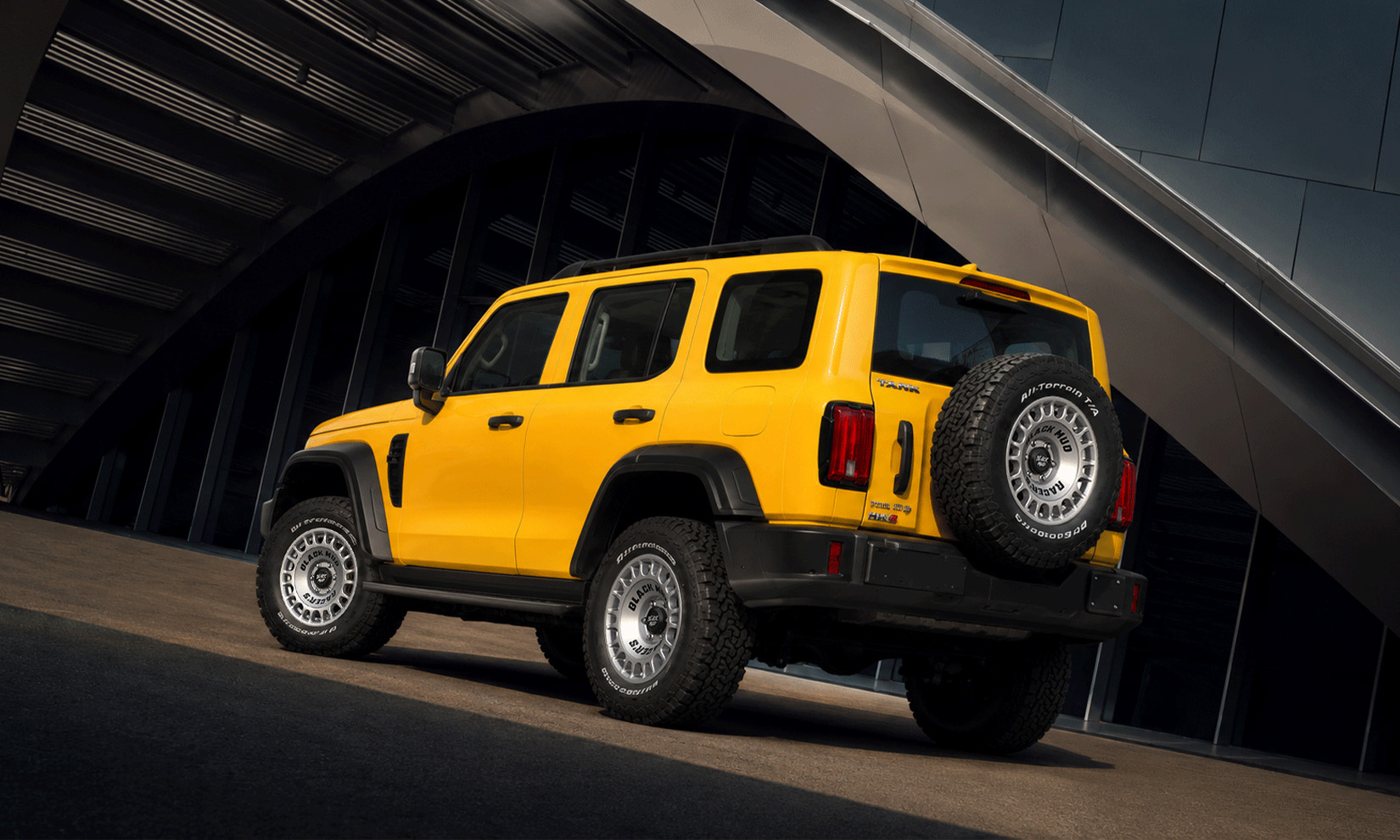
Corrosion doesn't announce itself the way a cracked rim or bent spoke does. It starts small, often hidden under brake dust or dried mud, and spreads quietly until pitting weakens the wheel's structural integrity. Road salt, standing water, and acidic mud are the usual culprits, and they're especially aggressive on wheels that spend long stretches submerged in creek crossings or coastal trails.
Aluminum alloy wheels resist corrosion better than raw steel, but they're not immune. Once the protective clear coat or anodized layer is scratched by rocks or debris, oxygen and moisture reach the bare metal underneath, and pitting begins. This is one reason manufacturers increasingly favor flow-forming and spin-forming processes, which produce denser metal structures that hold up better under repeated stress than standard cast wheels.
A quality coating is the first line of defense against both corrosion and cosmetic trail damage. Several options exist, each with different durability profiles and maintenance requirements:
Powder coating: A thick, baked-on finish that resists chipping and UV fading better than standard paint.
Anodizing: An electrochemical process that hardens the wheel's surface, offering excellent corrosion resistance for aluminum wheels.
Clear coat over machined finish: Common on retro-style and beadlock-inspired wheels, providing a balance of appearance and basic protection.
Matte or satin finishes: Popular for their ability to hide minor scuffs, though they typically require more frequent reapplication than gloss coatings.
Shoppers comparing options often look for best off road wheels that combine heavy-duty coatings with high load ratings, since a wheel that resists corrosion but can't handle impact isn't much use on technical terrain.


Beyond coatings, the underlying construction method plays a major role in how well a wheel survives rock strikes and repeated flexing. Cast wheels are more affordable but can be brittle under extreme impact. Flow-formed wheels, by contrast, undergo a spinning process during manufacturing that compresses and strengthens the metal in the barrel area, improving both weight distribution and impact resistance.
Design also matters. Deep-lip profiles and reinforced spoke patterns distribute stress more evenly across the wheel face, reducing the likelihood of cracking during hard impacts with rocks or ruts. Beadlock-style wheels, whether functional or simulated for aesthetics, often incorporate thicker barrel walls that hold up better to sidewall pressure on technical trails.
Companies producing dedicated off-road lines design around these realities rather than retrofitting street wheels for rough use. For example, product ranges built specifically for desert, mud, and rock-crawling conditions tend to feature reinforced spoke geometry and higher load capacities than general-purpose wheels, which matters when evaluating the best off road wheel brands for a serious build.
Even the best coating can't do all the work alone. Regular maintenance significantly extends wheel life:
Rinse after every trail run. Mud and salt left to dry become much harder to remove and can trap moisture against the surface.
Inspect for chips and scratches. Touch up exposed metal promptly to prevent corrosion from spreading beneath the coating.
Avoid harsh chemical cleaners. Acidic wheel cleaners can strip protective coatings faster than normal wear.
Check torque and bead seating. Loose mounting can cause micro-movement that chips paint or coating at contact points.
Store covered when possible. UV exposure degrades coatings over time, even on parked vehicles.
These habits apply regardless of brand or finish, but they matter even more for drivers seeking best wheels for off roading in consistently harsh environments like deserts or coastal mud flats, where exposure is constant rather than occasional.
Protection Method | Corrosion Resistance | Impact Durability | Maintenance Frequency |
|---|---|---|---|
Powder coating | High | Moderate | Low |
Anodizing | Very High | Moderate | Low |
Clear coat finish | Moderate | Moderate | Moderate |
Matte/satin finish | Moderate | Moderate | High |
Flow-formed construction | High (material strength) | High | Low |
This comparison highlights why combining a strong base material with an appropriate coating produces the most reliable long-term results. A flow-formed wheel with anodized or powder-coated finishing offers a meaningful upgrade over cast wheels with basic clear coats, particularly for vehicles that see regular off-road use.
Not all off-road wheels are engineered the same way, and the difference shows up fastest in how well they resist corrosion and trail abuse. Jiangmen Hongchuan International Trading, operating under the HC Wheels name, has spent more than two decades developing aluminum alloy wheels specifically for off-road applications, exporting original in-house designs to more than 30 countries.
Their product lineup reflects different priorities within the off-road space. The BLACK MUD series blends retro steel-wheel aesthetics with modern aluminum strength, including beadlock-style designs rated for heavy load capacities suited to mud, sand, and rock crawling. The MAT RACE WHEEL line focuses on racing-oriented, high-load construction for trucks and SUVs that need to perform under competition stress. AGILITYFORCE wheels pursue a balance of lightweight agility and classic deep-lip styling for drivers who want performance without sacrificing design. The BEAST range is purpose-built for the most demanding conditions, featuring dense-spoke construction and high load ratings for desert runs and rock crawling.
Choosing a wheel from a manufacturer that engineers specifically for these conditions, rather than adapting street wheels, generally results in better long-term corrosion resistance and structural durability, since the entire production process accounts for the stresses off-road driving creates.
Protecting off-road wheels from corrosion and trail damage comes down to three factors working together: the quality of the coating, the strength of the underlying construction, and consistent maintenance habits. None of these alone guarantees longevity, but combined, they significantly reduce the wear that mud, salt, and rock impacts cause over time.
Before your next build or upgrade, take stock of how your current wheels are holding up. If chipping, pitting, or cracking has already started, it may be time to consider a wheel set engineered specifically for the terrain you drive, rather than continuing to patch up a setup that wasn't designed for the job in the first place.
How often should off-road wheels be cleaned to prevent corrosion?
Rinsing wheels after every trail outing is ideal, especially if you've driven through mud, sand with high salt content, or standing water. For regular street use, a thorough cleaning every few weeks is usually sufficient.
Does anodizing cost more than powder coating?
Anodizing is typically more expensive upfront due to the electrochemical process involved, but it often lasts longer and resists corrosion more effectively than standard powder coating.
Can a damaged coating be repaired without replacing the wheel?
Minor chips and scratches can often be touched up with matching paint or coating products. Deeper damage that exposes bare metal to ongoing moisture should be addressed by a professional to prevent corrosion from spreading.
Are flow-formed wheels worth the extra cost compared to cast wheels?
For drivers who regularly face rough terrain, flow-formed wheels generally offer better impact resistance and a stronger strength-to-weight ratio, making the added cost worthwhile over the life of the wheel.


