
Views: 0 Author: Site Editor Publish Time: 2026-09-27 Origin: Site


Choosing the right off road wheels changes everything about how a vehicle behaves once pavement disappears. Durability, weight, and trail performance are not separate concerns — they're interconnected, and the wrong combination can leave a rig struggling on terrain it should easily conquer. This guide breaks down what actually matters when selecting off-road wheels, how weight and strength trade off against each other, and what separates a wheel built for weekend trails from one engineered for serious overlanding.

A wheel that looks aggressive but cracks under repeated impact isn't doing its job. Off-road environments punish equipment in ways street driving never does. Rocks, ruts, and sudden drops all send shock loads directly into the wheel structure, and manufacturing quality determines whether that structure holds up over years of abuse.
Two manufacturing processes dominate the off-road wheel market: casting and flow-forming. Cast wheels are made by pouring molten aluminum into a mold, which is cost-effective but can leave the metal with a looser, less consistent grain structure. Flow-formed wheels take that cast blank and spin it under intense heat and pressure, compressing the aluminum's grain structure in the barrel section. This process increases tensile strength while shaving off unnecessary material, giving the wheel a better strength-to-weight ratio than a standard cast piece.
For overlanding builds especially, where a vehicle might spend days on washboard roads or rocky descents fully loaded with gear, this distinction matters. A wheel that fatigues under repeated stress won't just wear out faster — it can fail at the worst possible moment, far from a repair shop.
Heavier wheels aren't automatically stronger, and lighter wheels aren't automatically weaker. This is one of the more misunderstood aspects of off-road wheels. Unsprung weight — the mass of components not supported by the suspension, including wheels, tires, and brakes — has an outsized effect on handling, braking, and ride quality.
Lower unsprung weight allows the suspension to react faster to terrain changes, which translates into better traction and less stress on suspension components. This is why many serious overlanding builds prioritize truck rims that shed weight without sacrificing load rating. A wheel engineered through spin-forming, for instance, can achieve a high load capacity while running lighter than a comparable cast wheel, because material is concentrated only where structural strength is actually needed.
That said, weight reduction has limits. A wheel that's too light for its intended load rating becomes a liability, not an advantage. The goal isn't the lightest wheel possible — it's the lightest wheel that still meets or exceeds the load and impact requirements of the vehicle and its cargo.


Trail performance comes down to how a wheel manages three things: impact absorption, traction consistency, and clearance. A wheel with the wrong offset can rub against suspension components on articulation, while one with insufficient backspacing can create handling issues on high-speed dirt sections.
Diameter also plays a bigger role than many drivers realize. Larger diameter wheels, paired with the right tire, can improve ground clearance and approach angles, but they also reduce the sidewall cushion that helps absorb impacts. Many experienced off-roaders find that mid-size diameters — often in the 17 to 18-inch range — strike the best balance between sidewall protection and wheel strength for mixed terrain use.
Below is a quick comparison of common off-road wheel construction methods and how they typically perform across the factors that matter most on the trail.
Construction Method | Relative Weight | Impact Resistance | Typical Best Use |
|---|---|---|---|
Casting | Moderate to Heavy | Good | Daily driving with occasional trail use |
Flow Forming Forged | Light to Moderate | Very Good | Overlanding and frequent off-road use |
Forged | Light | Excellent | High-load, extreme off-road applications |
Not every rig needs the same setup. A daily-driven truck that sees occasional fire roads has different requirements than a dedicated overlanding vehicle loaded with rooftop tents, recovery gear, and auxiliary fuel. Matching wheel specifications to actual use prevents both underbuilding and overspending.
This is where established manufacturers add real value. HC Wheels, produced by Jiangmen Hongchuan International Trading Co., Ltd., has spent over 20 years developing original-design wheels specifically for off-road applications, with products exported to more than 30 countries. Their spin-forming lightweight models are built with load capacities exceeding 3,000 pounds in some configurations, addressing the exact weight-versus-strength question that overlanders face. Rather than adapting a street wheel for trail use, this kind of purpose-built engineering starts with off-road demands as the baseline requirement.
Retro-styled alloy rim wheels have also gained traction among builders who want classic aesthetics without giving up modern strength standards. These deep-lip designs combine a timeless steel-wheel look with the reduced weight of aluminum construction, proving that durability and style don't have to be mutually exclusive.

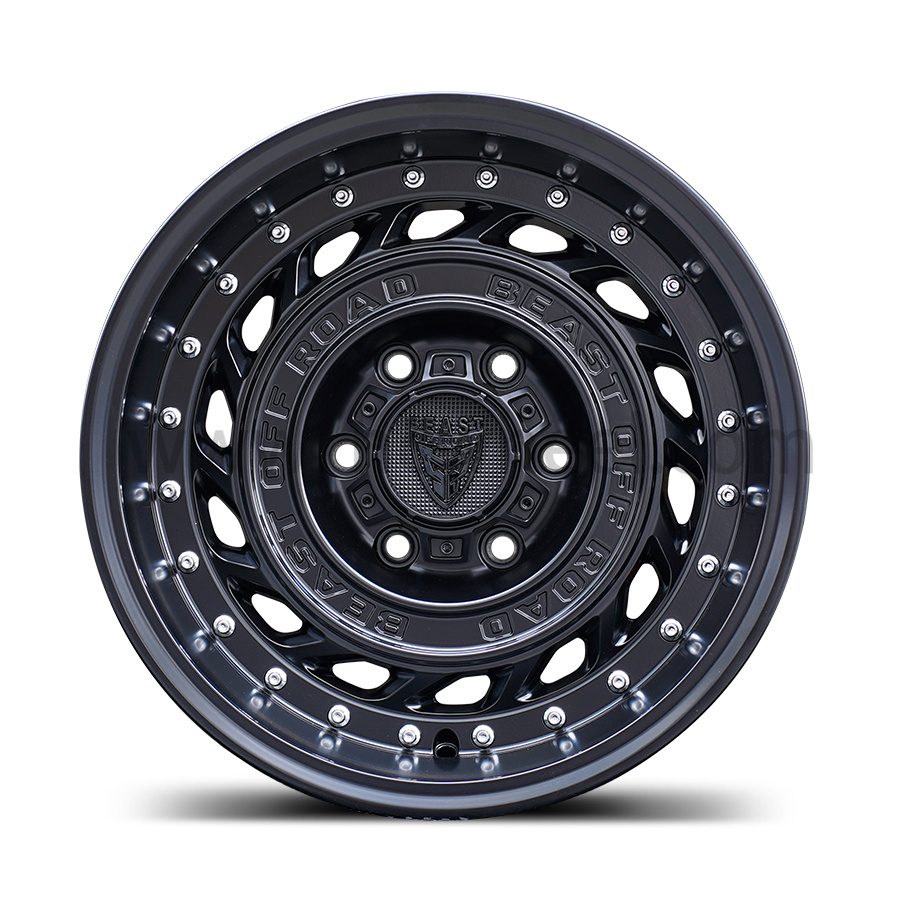
The best off-road wheels for overlanding strike a deliberate balance: strong enough to survive repeated trail abuse, light enough to preserve handling and suspension performance, and sized correctly for the vehicle's intended terrain. Skipping any one of these factors in favor of another — chasing weight savings at the cost of strength, or prioritizing looks over load rating — tends to catch up with drivers exactly when it's least convenient.
Before upgrading, take stock of the vehicle's typical load, the terrain it will actually see, and the tire size being paired with the new wheels. Getting these details right from the start means fewer compromises on the trail and a setup that holds up build after build, mile after mile.


